
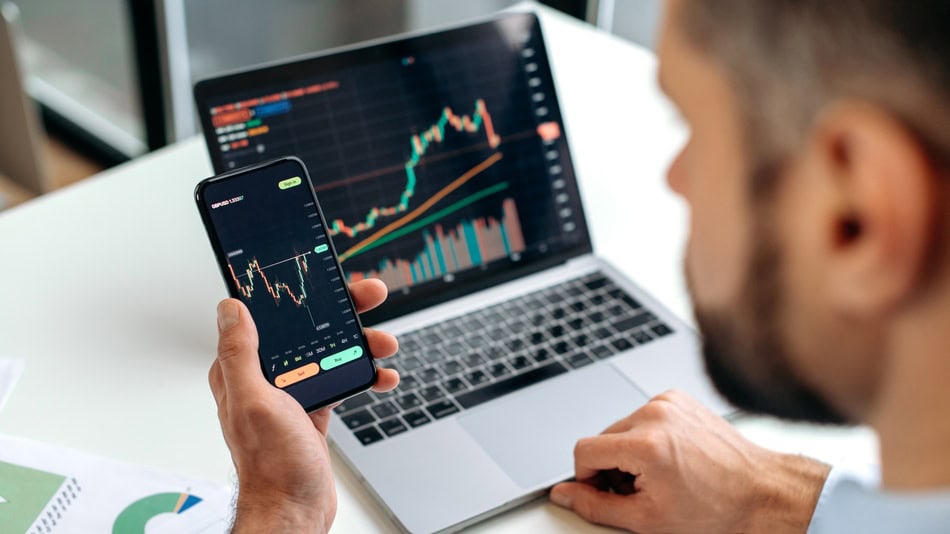
For anyone starting their trading journey, one of the most common questions is: what is paper trading and how does it help in learning the differences between trading futures vs options? Both futures and options are powerful instruments, but they also carry risks that beginners must understand before committing real money.
At Funding Ticks, we believe every trader should use paper trading as a stepping stone toward mastering futures and options strategies.
What is Paper Trading?
Paper trading is the practice of trading with virtual money in a simulated environment. Instead of risking actual capital, you execute trades under real market conditions but with fake funds.
Key Benefits of Paper Trading:
- Risk-Free Learning – Test futures and options strategies without financial loss.
- Strategy Development – Try hedging, scalping, or swing trading before going live.
- Confidence Building – Gain experience in executing trades and managing risk.
- Performance Tracking – Monitor results and refine your approach.
Trading Futures vs Options: The Basics
Both futures and options allow traders to speculate on the price of assets like stocks, commodities, forex, or crypto. However, they differ in structure and risk.
Futures Trading
- A contract obligates the buyer to purchase, and the seller to deliver, an asset at a predetermined price and date.
- Futures are standardized and traded on exchanges (e.g., CME).
- Profits and losses are unlimited depending on price movement.
Options Trading
- A contract gives the right, but not the obligation, to buy (call) or sell (put) an asset at a set price before expiration.
- Options require premiums, which is the maximum risk for buyers.
- Flexibility in hedging makes them popular among stock and futures traders.
How Paper Trading Helps with Futures vs Options
- Testing Risk Tolerance
- Futures often involve higher leverage, while options limit losses to premiums.
- Paper trading helps beginners understand which suits their risk profile.
- Futures often involve higher leverage, while options limit losses to premiums.
- Strategy Development
- Futures: Great for trend-following and hedging.
- Options: Useful for income strategies like covered calls or protective puts.
- Futures: Great for trend-following and hedging.
- Market Timing
- Futures require precise entries/exits.
- Options can be structured to benefit from volatility or time decay.
- Futures require precise entries/exits.
Pros and Cons of Futures vs Options
Futures Pros:
- High liquidity
- Transparent pricing
- Easy to understand for directional trading
Futures Cons:
- High risk due to leverage
- Daily margin requirements
Options Pros:
- Limited loss (for buyers)
- Flexibility in strategies
- Useful for hedging portfolios
Options Cons:
- More complex
- Time decay erodes value
Tips for Beginners
- Start with Paper Trading – Test both futures and options before using real money.
- Learn One Market at a Time – Don’t jump between futures and options without mastering basics.
- Focus on Risk Management – Always calculate potential losses before entering a trade.
- Stay Updated – Economic data and market news influence both futures and options heavily.
Conclusion
Understanding what is paper trading is crucial for anyone who wants to explore trading futures vs options. Futures provide leverage and direct exposure, while options offer flexibility and limited risk. Using a paper trading account lets you practice both, refine strategies, and discover which instrument aligns best with your trading goals.
At Funding Ticks, we encourage traders to start with practice, build confidence, and only then step into live markets with a clear strategy.