
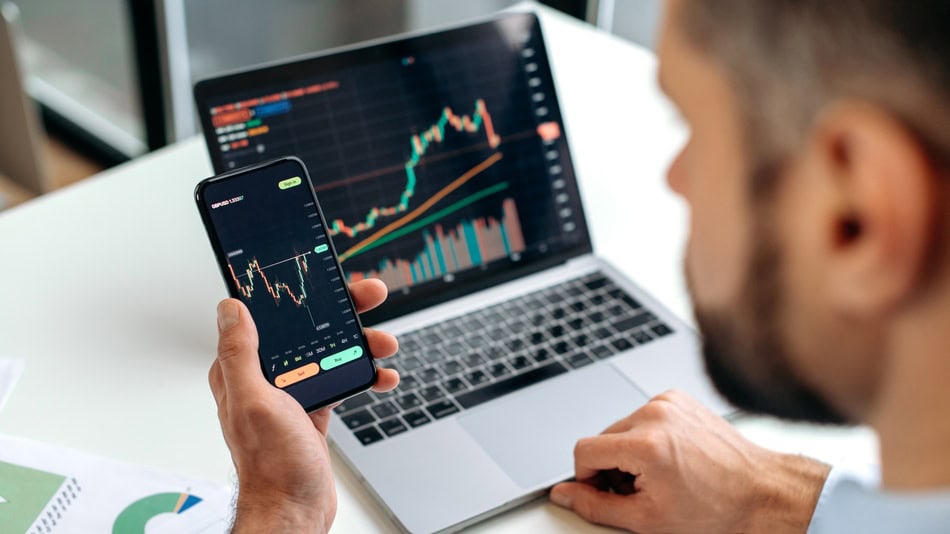
For new traders, one of the most common questions is whether to pursue futures or options. Both instruments offer opportunities for speculation and hedging, but they differ significantly in structure, risk, and strategy. Deciding between the two can feel overwhelming. Fortunately, Paper Trading provides a low-risk way to practice and evaluate both markets. By simulating trades, beginners can explore the nuances of trading futures vs options without putting real money at risk, making it a crucial step in the journey from novice to confident trader.
Understanding Futures
Futures contracts are agreements to buy or sell an underlying asset at a predetermined price and date. They are standardized, traded on regulated exchanges, and widely used for commodities, stock indices, currencies, and even cryptocurrencies.
When you buy a futures contract, you are obligated to fulfill it at expiration unless you close the position beforehand. Futures provide direct exposure to price movement, and because they are highly leveraged, small price shifts can lead to substantial gains or losses.
This leverage makes futures attractive for traders seeking large returns with smaller capital outlays, but it also magnifies risk. For this reason, beginners must carefully weigh whether futures align with their goals and risk tolerance.
Understanding Options
Options differ in that they provide the right, but not the obligation, to buy (call option) or sell (put option) an underlying asset at a specified strike price before expiration. Unlike futures, which require performance at expiration, options offer flexibility. Traders can let them expire worthless, exercise them, or sell them prior to expiration.
Options are often used to hedge existing positions or create structured strategies around volatility. They involve additional complexity compared to futures, as traders must consider factors like time decay, implied volatility, and option Greeks. While this complexity may seem daunting, options also allow for defined risk strategies, making them appealing to those who prefer more controlled exposure.
Key Differences: Trading Futures vs Options
When evaluating trading futures vs options, several important distinctions stand out:
- Obligation vs. Flexibility: Futures obligate traders to fulfill the contract, while options give the choice.
- Leverage: Futures typically offer greater leverage, creating higher risk and reward potential.
- Complexity: Options involve time decay and volatility factors, while futures are more straightforward in pricing.
- Risk Profile: Futures risk is theoretically unlimited, whereas many options strategies define maximum loss upfront.
- Liquidity: Both are liquid in major markets, but liquidity can vary significantly in less popular contracts.
These differences often determine whether a trader is better suited for one instrument or the other.
Why Paper Trading Matters
Beginners learning about trading futures vs options may struggle to grasp how these contracts perform in real market conditions. This is where Paper Trading comes in. Paper trading is the practice of simulating trades without using real money, often through a demo account offered by brokers or trading platforms.
The benefits include:
- Hands-On Learning: Traders can test strategies in real-time market environments.
- Risk-Free Practice: Mistakes become valuable lessons instead of costly losses.
- Confidence Building: Paper trading helps traders get comfortable with order placement, position management, and market dynamics.
- Performance Tracking: Beginners can measure how futures and options strategies would perform over time.
Paper trading bridges the gap between theory and practice, making it one of the best tools for traders deciding between futures and options.
Using Paper Trading to Compare Futures vs Options
The best way to evaluate trading futures vs options is to test both in a simulated environment. For example:
- A trader could practice going long on crude oil futures and compare it with buying call options on the same asset.
- Paper trading futures might reveal faster and larger swings due to leverage, while options could show slower but more controlled outcomes.
- Traders can experiment with strategies like spreads, straddles, or hedging in options versus direct speculation in futures.
By running side-by-side paper trades, beginners gain insight into which style resonates with their personality, goals, and risk tolerance.
Common Mistakes to Avoid in Paper Trading
While Paper Trading is powerful, it’s not without pitfalls. Some common mistakes include:
- Treating It Too Casually: Beginners may take risks they wouldn’t with real money, skewing results.
- Ignoring Costs: Simulated platforms may not account for commissions or slippage, which impact real trading.
- Overconfidence: Success in paper trading doesn’t always translate to live trading, where emotions play a bigger role.
To get the most out of paper trading, beginners should treat simulations as seriously as real trades, tracking performance and journaling decisions.
Transitioning from Paper Trading to Real Markets
Once traders have practiced extensively, the next step is to transition into live trading. The lessons learned while comparing trading futures vs options in simulations should guide real decisions. Starting small is key—use minimal capital, manage risk carefully, and gradually scale up.
Paper trading won’t eliminate risk in real markets, but it will help traders approach futures and options with more knowledge and confidence.
Conclusion
Choosing between trading futures vs options is not a decision to make lightly. Futures provide straightforward exposure with high leverage, while options offer flexibility and structured strategies. For beginners, the complexity of both instruments can be intimidating, but Paper Trading offers the perfect solution.
By practicing in a risk-free environment, traders can compare futures and options directly, refine strategies, and build confidence before putting capital at risk. Ultimately, paper trading transforms uncertainty into understanding, empowering traders to move from simulation to real markets with a clearer sense of direction.