
Introduction
Gas leaks in heavy-duty, commercial, and human action settings can be improbably chanceful. Toxic gases such as carbon monoxide, H sulfide, and methane can cause everything from health issues to ruinous explosions if not sensed early. For industries and households that work with or are near such gases, having the right to place potentiality hazards is crucial. This is where gas detectors and gas analyzers come into play.
While both tools help ride herd on gas levels, they serve different functions. Understanding their unusual roles is key to selecting the right tool for your needs. Whether you need fast, real-time alerts or precise gas writing data, these volunteer critical support in maintaining a safe environment.
What Are Gas Detectors?
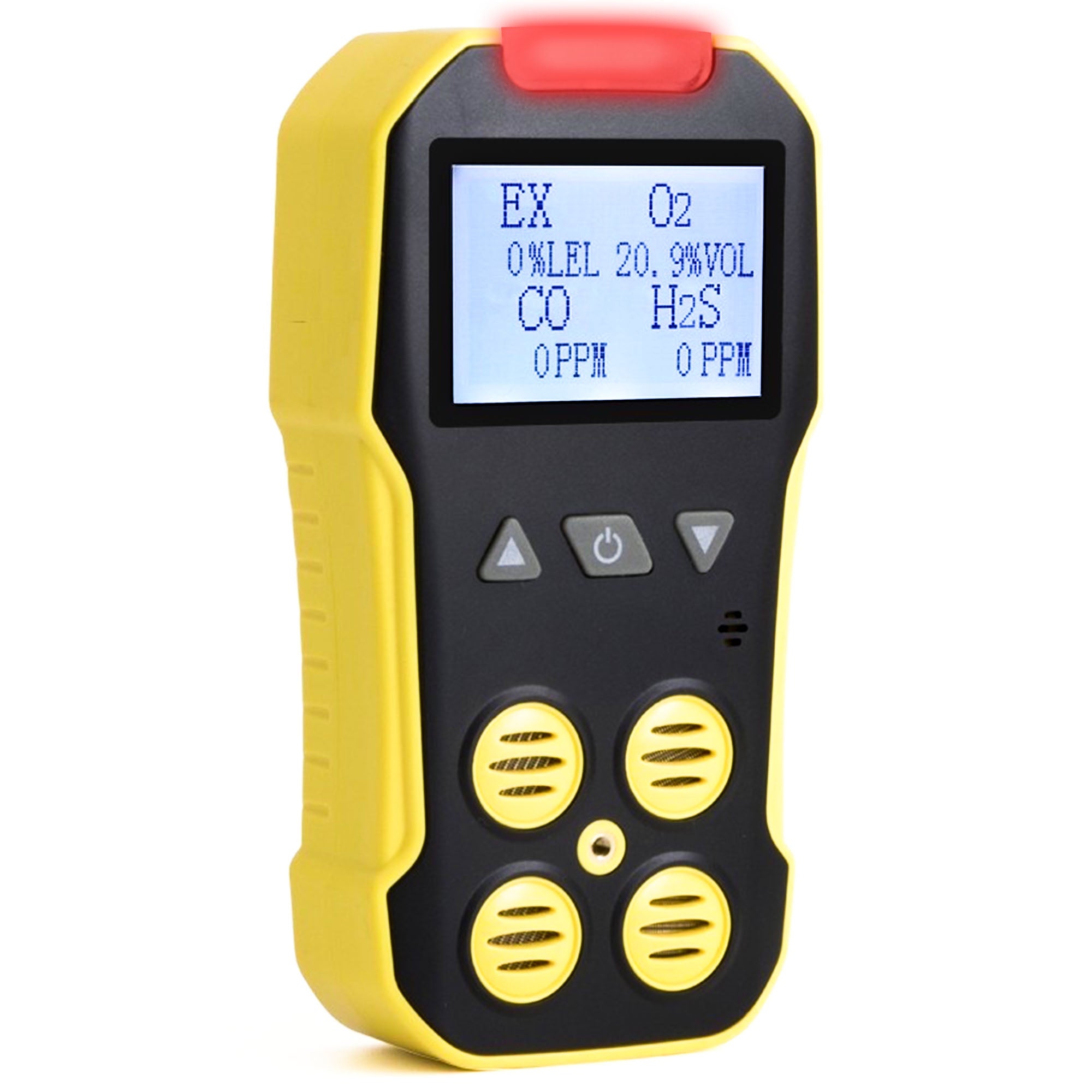
Gas detectors are devices designed to find the presence of unsafe gases in the air. These are typically used for quickly, real-time monitoring to alarm individuals when gas levels reach risky concentrations. Gas detectors can be handheld or unmoving, depending on the application.
Key Features of Gas Detectors:
Immediate Alerts: fd600 detectors are armed with alarms(audible and ocular) that spark off when a gas leak is heard, ensuring fast response multiplication.
Portability: Many gas detectors are compact and portable, qualification them paragon for use in restrained spaces or for Mobile applications.
Simplicity and Speed: Gas detectors provide fast readings of gas concentration levels, allowing users to respond swiftly to keep accidents.
Commonly used in industries such as oil and gas, chemical manufacturing, and firefighting, gas detectors are necessity for safeguarding personnel office in environments where gas leaks are a considerable risk. They re hone for emergency situations, offering speedy detection and immediate warnings.
What Are Gas Analyzers?
Gas analyzers, on the other hand, are studied to measure the and authorship of gases with high preciseness. Unlike gas detectors, which in the first place focalize on triggering alarms for refuge, gas analyzers provide detailed readings of gas levels and allow for in-depth psychoanalysis. These are requirement for applications where understanding gas compositions is crucial, such as in situation monitoring, research, or tone control.
Benefits of Gas Analyzers:
Precise Measurements: Gas analyzers can measure gas concentrations down to parts per trillion(ppm) or even parts per billion(ppb), making them suited for applications requiring demand data.
Multi-Gas Detection: Some gas analyzers can discover and quantify binary gases simultaneously, providing a comprehensive examination overview of the s air tone.
Regulatory Compliance: Gas analyzers are essential for businesses that need to meet specific environmental regulations by providing right and verifiable gas concentration data.
Gas analyzers are typically used in laboratories, research settings, and heavy-duty facilities where unremitting monitoring and meticulous gas measuring are necessary.
Gas Detectors vs. Gas Analyzers: Which One Do You Need?
When decision making between a gas sensing element and a gas analyser, it s of import to consider your specific needs:
Choose a Gas Detector If:
You need immediate alerts in case of a gas leak.
You re working in high-risk areas where gas leaks pose a substantial refuge scourge.
You prefer a outboard, easy-to-use solution that requires borderline setup.
Choose a Gas Analyzer If:
You need accurate, numerical data on gas and penning.
You require unbroken monitoring of gases over time, for compliance or search purposes.
You need to monitor treble gases at the same time for a more elaborate depth psychology.
Conclusion
Both gas detectors and gas analyzers are obligatory tools for ensuring safety and preciseness in environments with potentiality gas hazards. While gas detectors are saint for providing immediate alerts and preventing accidents, gas analyzers volunteer in-depth analysis, qualification them suitable for perpetual monitoring and regulative compliance.